
Your cart is currently empty!
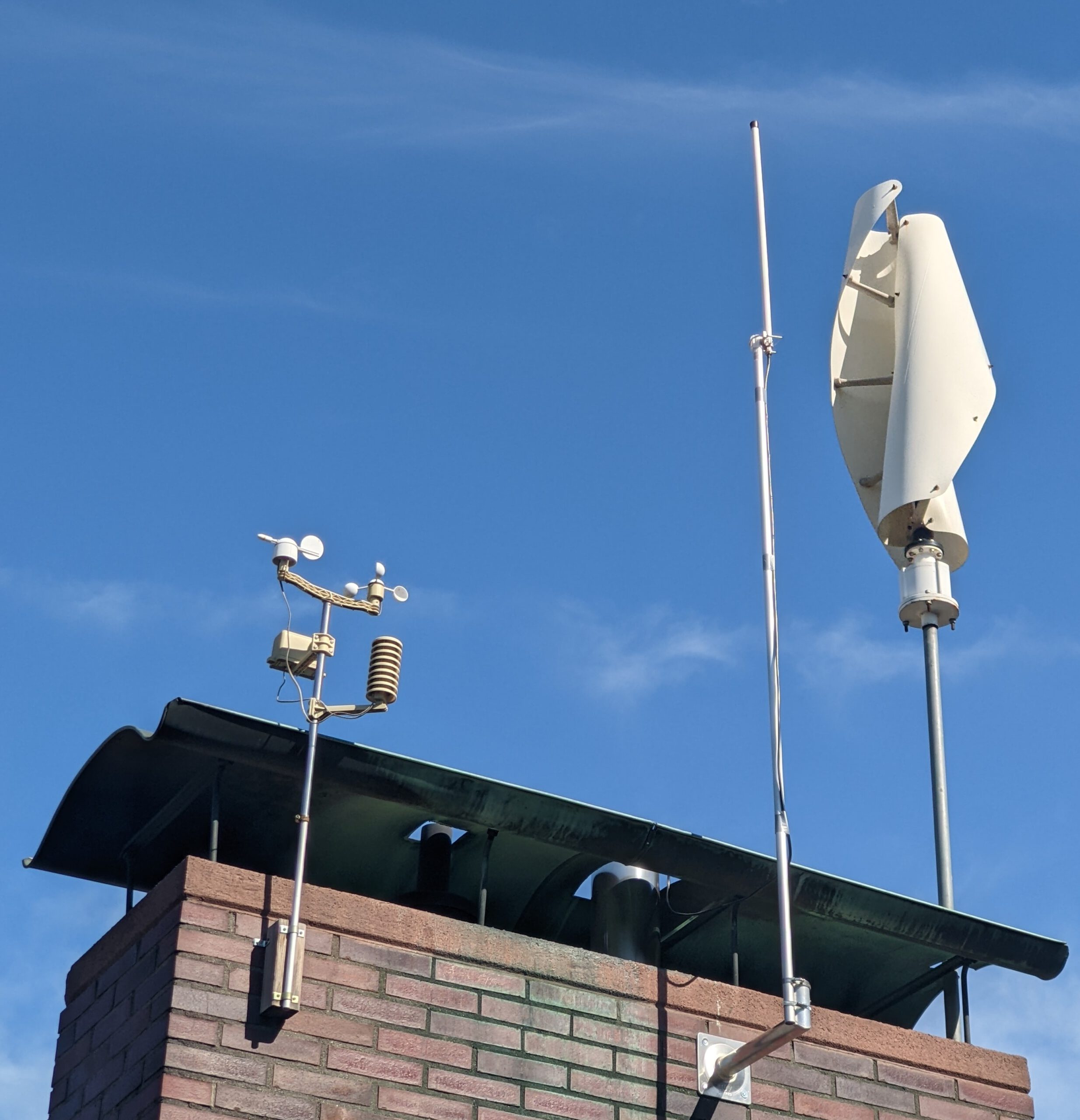
Vertical Wind Turbine for Your Home
Getting started: a vertical wind turbine for a private home
Vertical wind turbines are becoming increasingly popular as an environmentally friendly, space-saving way to generate energy. They offer many advantages, especially for private homes. Before installing a vertical wind turbine at your home, however, there are important steps to consider. This article explains how to plan and carry out your project and what to bear in mind to get the most from your turbine.
1. Assess wind conditions over an extended period
A vertical wind turbine can operate effectively only if local wind conditions provide sufficient energy. It is therefore essential to analyse them over an extended period. Of course, vertical wind turbines are also attractive and relaxing to watch, thanks to their almost silent operation. I know many people who have installed vertical wind turbines and are hardly concerned with efficiency.
Why is assessing the wind important?
- Consistent wind speed: The average wind speed in your area should be at least 3–5 m/s for efficient operation of a vertical wind turbine.
- Wind direction: Vertical wind turbines are less sensitive to changes in wind direction, making them particularly suitable for urban areas. Nevertheless, ensure that large obstacles such as houses or trees do not obstruct the wind.
How can you assess wind conditions?
- Use wind meters (anemometers) to measure wind speed continuously over several months.
- Use data sources such as meteorological services or local weather stations.
- Consider the height at which the turbine will be installed. Wind speed increases with height.
2. Check permits and planning permission
In many regions you need planning permission to install a vertical wind turbine. Before proceeding, find out about the legal requirements. Where I live, a vertical wind turbine may be installed if the installation is no higher than 10 metres above street level.
Important points about permission:
- Regional regulations: Some areas have specific rules governing wind turbine height.
- Noise protection: Although vertical wind turbines are quieter than horizontal ones, larger turbines may exceed certain noise limits.
- Neighbours: Inform your neighbours about the project to avoid disputes.
- Protected heritage areas: Installation restrictions may apply in these locations.
3. Determine turbine size
The optimum size of your vertical wind turbine depends on the measured wind conditions and the structural characteristics of the site.
How do you choose the right size?
- Wind conditions: Higher wind speeds allow a smaller turbine with greater efficiency.
- Available space: Check the possible height and the radius the turbine will occupy.
- Energy demand: A smaller turbine may be sufficient to power individual devices, while larger turbines can supply an entire household.
- Future-proofing: Choose scalable solutions such as VortexWindSolution, whose plans can be adapted to your requirements.
4. Applications: on-grid and off-grid systems
Depending on your infrastructure, you can choose whether to connect the vertical wind turbine to the electricity grid (on-grid) or operate it as a standalone system (off-grid, power bank, rechargeable batteries, etc.).
On-grid system
- The energy generated is fed directly into the home’s electricity network.
- You can benefit from electricity you produce yourself.
- A grid connection (voltage converter) is required, which may involve additional costs.
Off-grid system
- Ideal for remote areas without a grid connection.
- Energy is stored in a battery storage system and used via an inverter at up to 230V.
- Greater independence, but also higher initial costs.
5. Combine wind energy with photovoltaics
Combining wind energy and photovoltaics makes optimal use of renewable energy. The two technologies complement one another because they use different energy sources.
Advantages of combining them:
- Year-round generation: Solar energy provides electricity during the day, while wind energy is often more active at night.
- Efficient storage: A battery system can store energy from both sources.
- Greater stability: Combining the sources balances fluctuations in energy generation.
Recommended approach:
Energy from the vertical wind turbine is buffered in battery storage. The stored energy is then fed into the home network through an inverter. This allows electricity to be used in a controlled way according to demand.
6. The ideal location for your turbine
The location of your vertical wind turbine has a substantial effect on efficiency. Consider the following factors:
Site criteria:
- Unobstructed wind access: Ensure that large obstacles such as buildings or trees do not block the wind.
- Height: A higher installation increases wind speed and therefore energy yield. Heights of 10 metres or more are ideal.
- Access: The location should be easily accessible for maintenance.
Examples of optimal positioning:
- Roof mounting: Ideal in urban areas where the wind is less obstructed.
- Garden installation: Suitable for rural locations with plenty of open space.
7. Scalable solutions with VortexWindSolution
VortexWindSolution offers scalable concepts for vertical wind turbines. The plans for rotor blades and stators can be flexibly enlarged or reduced to meet individual requirements.
Advantages:
- Adaptability: Optimum size according to wind conditions and energy demand.
- Cost efficiency: Scalability reduces unnecessary investment.
- Durability: A modular design simplifies maintenance and replacement.
8. Optimise control electronics and battery storage
A well-coordinated combination of wind turbine, photovoltaics and battery storage ensures an optimal energy yield.
Optimisation tips:
- High-quality batteries: Lithium-ion batteries offer high energy density and a long service life.
- Inverter: Choose an inverter compatible with both energy sources.
- Control electronics: A smart controller optimises energy distribution between storage, the household and the grid.
Conclusion
Installing a vertical wind turbine at your home is a sustainable investment in renewable energy. With proper planning and a combination of wind and solar power, you can reduce your energy costs and contribute to environmental protection.
Follow these steps and choose a scalable solution such as VortexWindSolution to make the most of your wind energy.
Leave a Reply
You must be logged in to post a comment.